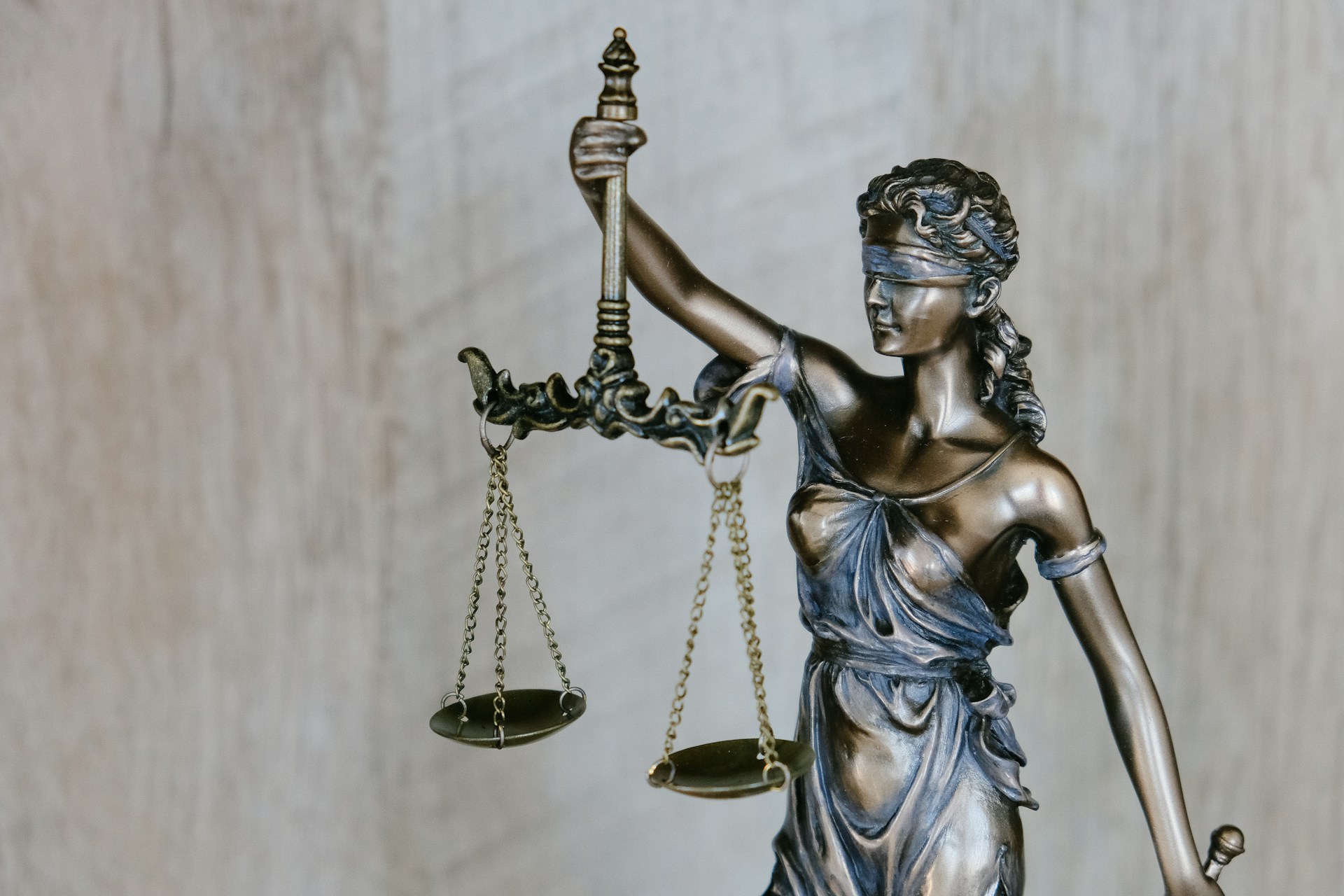
Imagine living in a country where everyone is promised equal rights, freedom, and protection under the law. Sounds fair, right? But what happens when these rights exist in legal documents yet people struggle to enjoy them in everyday life? The truth is that having rights written in a constitution does not always mean everyone experiences equal treatment. Factors such as wealth, social status, discrimination, and access to legal services can influence how people experience justice. So, does the law really protect everyone equally? Let’s take a closer look.
What Does Equality Before the Law Mean?
Equality before the law means that every individual should receive equal treatment and protection regardless of their background, financial position, gender, or social status. In principle, nobody should be considered more important than another person when it comes to justice. This principle is essential because it prevents unfair treatment and promotes accountability. However, applying it consistently can be challenging, especially in societies where inequality still exists.
The Difference Between Legal Rights and Reality
Many countries recognise fundamental rights such as freedom of expression, privacy, education, and protection from discrimination. These rights are often guaranteed through constitutions and other laws. Unfortunately, the reality can be different. Some people experience discrimination, unfair treatment, or difficulties accessing services that should be available to them. This creates a gap between what the law promises and what individuals actually experience.
Does Money Influence Access to Justice?
Access to justice should not depend on how much money someone has. However, legal services can be expensive, making it difficult for people with limited financial resources to hire lawyers or pursue legal action. Wealthier individuals may have greater access to experienced legal professionals and resources to support their cases. Meanwhile, low-income individuals may struggle to defend their rights. Legal aid and affordable legal services are therefore important in making justice more accessible.
The Problem of Discrimination
Discrimination remains one of the biggest challenges to equal protection under the law. People may experience unfair treatment because of their gender, disability, ethnicity, age, or other personal characteristics. Although many legal systems prohibit discrimination, enforcing these protections is not always easy. Some individuals may fear reporting violations, while others may not know where to seek help. Strong laws must therefore be supported by effective enforcement.
The Role of Law Enforcement
Police officers and other authorities play an important role in protecting people’s rights. They are expected to enforce the law fairly, respect individual freedoms, and treat everyone with dignity. However, misuse of authority, corruption, and unequal treatment can weaken public trust. When those responsible for protecting rights fail to respect them, individuals may feel powerless. Accountability and transparency are essential to ensuring that the law applies to everyone.

Why Legal Awareness Matters
Knowing your rights can make a significant difference in everyday life. People who understand their legal protections are often better prepared to recognise unfair treatment and seek appropriate assistance. Legal awareness also encourages individuals to question unlawful actions and hold institutions accountable. Education about basic legal rights should therefore be accessible to everyone, not just lawyers and legal professionals.
Can We Achieve Equal Protection for Everyone?
Achieving genuine equality requires more than writing good laws. Governments must enforce existing protections, strengthen independent institutions, improve access to legal services, and address discrimination. Communities also have a role to play by promoting awareness, reporting violations, and supporting fairness. Real progress happens when legal protections become something people experience in their daily lives.
The law may promise equal rights, but putting those promises into practice is not always simple. Financial inequality, discrimination, and weak enforcement can prevent people from enjoying the protection they deserve. Ultimately, true justice means creating a society where everyone can exercise their rights and receive fair treatment, regardless of who they are or how much they have.